
West Sacramento City Directory Collections
Yolo County Archives is the main local repository for historical directory work. It holds agency and donated records from the 1850s to the present, and its catalog connects to Axiell, the Online Archive of California, California Revealed, the library catalog, and digitized county books. Reading-room materials do not circulate. The official finding aids confirm digitized city directories but do not publish a complete local publisher and year shelf list, so the exact volume and call number should be verified with Archives staff.
| Collection | Years | Where Held | Access |
|---|---|---|---|
| Deeds, official records, assessor rolls and maps | ca. 1850s-1970s | Yolo County Archives | Appointment; some indexes online |
| News-Ledger microfilm and print | 1964-1994; 1971-2024 | Archives | Obituary and address-event research |
| James Marshall yearbooks and newsletters | 1958-1974 | Archives | Onsite class and family clues |
| Marshall school census | 1867-1910 | Archives | Onsite household evidence |
| Digitized city directories and county books | Run varies | Catalog, California Revealed, library databases | Search catalog; confirm item access |
There is no verified exhaustive Polk or other publisher run in the official finding aid reviewed for West Sacramento. That gap is useful information. It tells a researcher to ask for the local shelf rather than copy a generic directory list from another California city.
- 1850s: Yolo government and land records begin the county layer.
- 1907-1972: West Sacramento Land Company records add purchases, title abstracts, and maps.
- 1958-1974: James Marshall yearbooks and newsletters supply school-era names.
- 1964-2024: News-Ledger microfilm and print extend local event and obituary coverage.
- 2022: Archives digitization covered maps, indexes, city directories, deed indexes, and yearbooks.
Yolo Archives Is West Sacramento's Directory Room
The Archives reading room is at 226 Buckeye Street in Woodland. The research file lists 530-666-8010 and archives@yolocounty.org, with appointment hours Tuesday from 9 to 1 and Thursday from noon to 4. Materials include maps, blueprints, photographs, bound volumes, manuscripts, newspapers, yearbooks, books, articles, government records, and named West Sacramento collections. A request should include the modern or historic address, APN or subdivision, known name, date span, school or organization, and the record groups that might answer the question.
Bring a pencil or approved note method, record the collection title and item identifier, and ask before photographing. A catalog record is a finding aid, not proof that an individual page is online. An appointment may expose a directory shelf, a microfilm reader, or an archivist's suggestion that changes the search terms.
The Yolo County Archives holdings page is the starting point for local history access.
The West Sacramento archival holdings brochure lists the local land, school, newspaper, survey, and Land Company collections.
The Archives homepage and its holdings description show why directory research needs a repository visit.
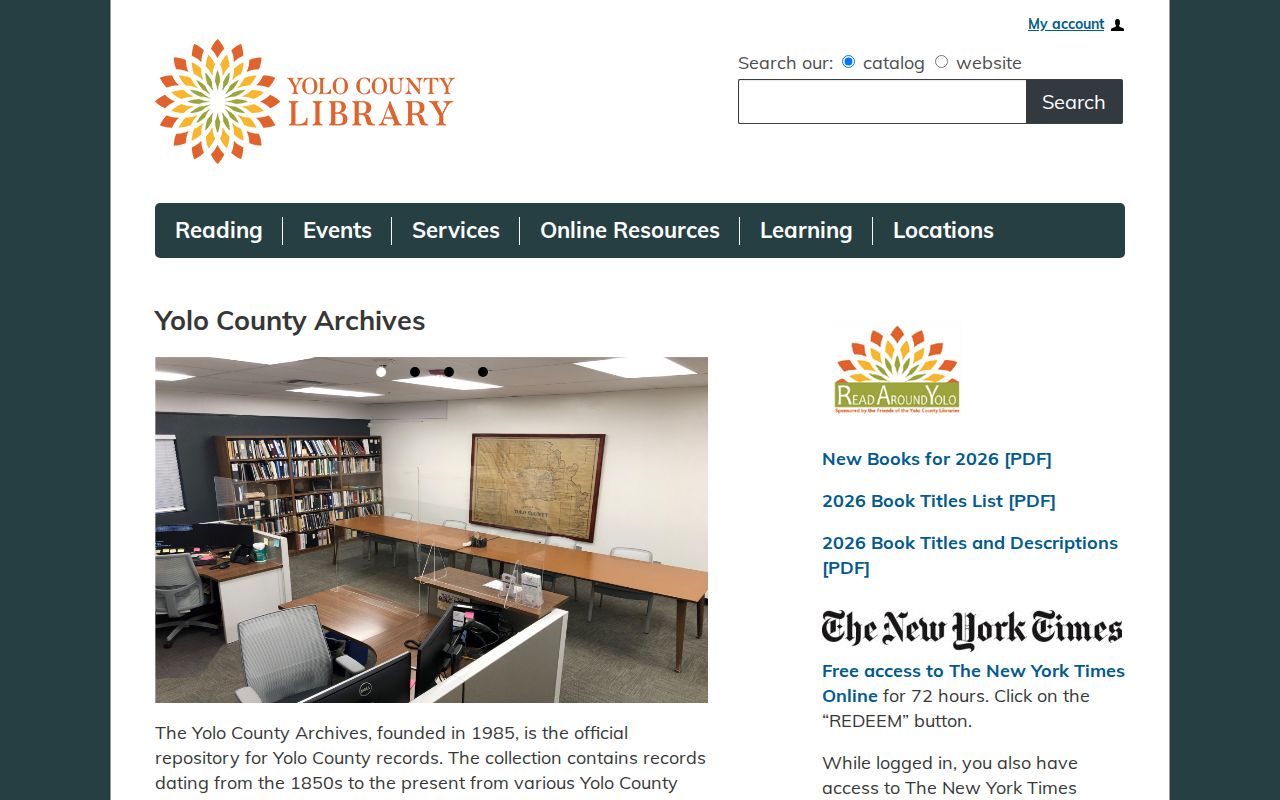
The reading room is where exact call numbers, restrictions, and neighboring collections can be checked before a household claim is written.
West Sacramento Directory Place Names
Historical West Sacramento records are divided by older geography. Washington was renamed Broderick. Bryte, Broderick, and West Sacramento were grouped as East Yolo after 1900. The present city incorporated in 1987. A city directory entry, school census line, or newspaper notice may use one of those names instead of West Sacramento.
Run the surname with Washington, Broderick, Bryte, East Yolo, and the current city. Add the street or subdivision only after the place-name sweep. The Sacramento River also creates a catalog trap. Regional newspapers, telephone books, and commercial directories may group the city with Sacramento even though land, court, election, and tax custody is in Yolo County.
A missing West Sacramento city directory hit is therefore not proof that the person was absent. The label may have changed, the volume may use a regional city heading, or the record may be in a county collection rather than a city shelf.
West Sacramento News-Ledger Directory Clues
The News-Ledger is one of the strongest local companions to a city directory. Yolo Archives holds microfilm from 1964 through 1994 and print from 1971 through 2024. Obituaries, anniversaries, club notes, school events, business openings, property notices, and social announcements can place a name in a neighborhood or explain a move between directory years.
Search the surname, spouse, street, organization, and historic place name. Treat an announcement as a lead. An obituary can identify survivors and a former address, but a dated deed, school record, census entry, or vital copy is needed for a stronger identity link. The Archives also provides access to more than 5,000 newspapers through Newspapers.com and onsite Ancestry access, subject to the service's own terms.
Historical newspaper context is part of the local city directory shelf, not a substitute for it.
West Sacramento Directory Clues from Yearbooks
James Marshall High School yearbooks and newsletters offer a direct former-classmate trail for the middle decades of the twentieth century. They can show class year, portrait, activities, teachers, clubs, and names that do not appear in a business-oriented city directory. Teacher and principal reports from 1865 to 1949 and the Marshall school census from 1867 to 1910 extend that school context further back.
Yearbooks rarely supply a full street address, and a class name can collide with another person. Pair a portrait or activity with a family name, directory entry, News-Ledger item, census, or deed. School records may have access or condition limits, so ask Archives staff for the item before assuming a scan is available.
The Archives catalog and digital collections page helps route a classmate search to the correct holding.
A yearbook is a human-use clue that adds identity and time to the West Sacramento city directory record.
Reading a West Sacramento City Directory Entry
A period entry should be transcribed exactly before it is interpreted. The official finding aid reviewed did not expose an individual West Sacramento page, so the local abbreviation key must be checked in the specific volume. A typical entry can contain the following fields:
| Name | Surname and given name or initial, often with a spouse in parentheses. |
|---|---|
| Occupation | Trade, profession, employer, or business relationship when printed. |
| Address | House number and street, sometimes with a residence or boarding abbreviation. |
| Family mark | Widow or spouse notation that may guide a genealogy search. |
| Reverse entry | Street, number, listed occupant, or telephone in a criss-cross section. |
- Criss-cross directory
- A reverse section that begins with a street and number rather than a surname.
- Householder index
- A name-oriented list of the person selected by the publisher as the household contact.
- Abbreviation key
- The volume's own explanation of marks and short forms, which should be read before transcription.
- Directory absence
- A missing name may reflect timing, boundaries, spelling, or a household omitted by the publisher.
Do not silently expand an abbreviation or treat the listed householder as every resident. The city directory proves what the volume printed for that year.
West Sacramento Reverse Directories by Number
When the question is who was listed at an old address, begin in the street-order half. Normalize the historical street spelling, look for the house number, then read the occupant and telephone notation. Use the name section to find spouse, occupation, or business context. Move to the next available volume and repeat. A street sequence can show continuity even when a surname spelling changes.
Address continuity is not the same as current residence. A city directory may list a boarder, a business, a head of household, or an outdated entry. Compare the reverse result with a subdivision plat, deed, census schedule, school census, or News-Ledger item. The modern address-keyed chain belongs on the West Sacramento street directory page; the historical volume remains the evidence here.
West Sacramento Directories for Family History
Tracing a household across directory years is a slow comparison task. Each volume gives a date, an address, and a name form. Census years then fill larger gaps, while newspapers, school records, deeds, probate, and vital records test the identity. Use the same rule for a famous or ordinary name: preserve the source and write only what that source supports.
- Find the first appearance under every historic place label and write the exact name, spouse, occupation, and address.
- Follow the name in each available year, noting a move, a changed employer, a widow mark, or a new household relation.
- Flip to the reverse section to compare nearby listed addresses and to catch a street spelling change.
- Pair each directory period with the matching federal census. The federal 72-year rule means releases are available through 1950 as of the research date, with 1960 scheduled for 2032.
- Close the trail with the News-Ledger, school census, obituary, deed, probate, or an eligible vital record.
Disappearance from a city directory can mean a move, death, publication gap, a new place label, or an unlisted household. A second independent source is what separates those possibilities.
Digitized West Sacramento Directories from 2022
The Archives reported a 2022 digitization effort that covered maps, blueprints, naturalization records, indexes, city directories, deed indexes, and yearbooks. Digitization does not guarantee that every page has a public name search. A catalog hit may lead to a viewer, a staff-assisted item, or a reading-room original. Licensed services can show census, obituary, directory, and newspaper images that cannot be freely republished.
Use the catalog to find the collection title. Use the viewer to inspect the page. Record the volume, page, place label, date, and URL or item identifier. When the viewer does not expose the needed page, contact Archives staff rather than replacing the gap with a generic publisher run from Davis or Woodland.
The digitization story explains why a West Sacramento city directory may be discoverable online but still require a local archive request.
The Yolo Archives catalog and digital-collections page is the source for the digitized route.
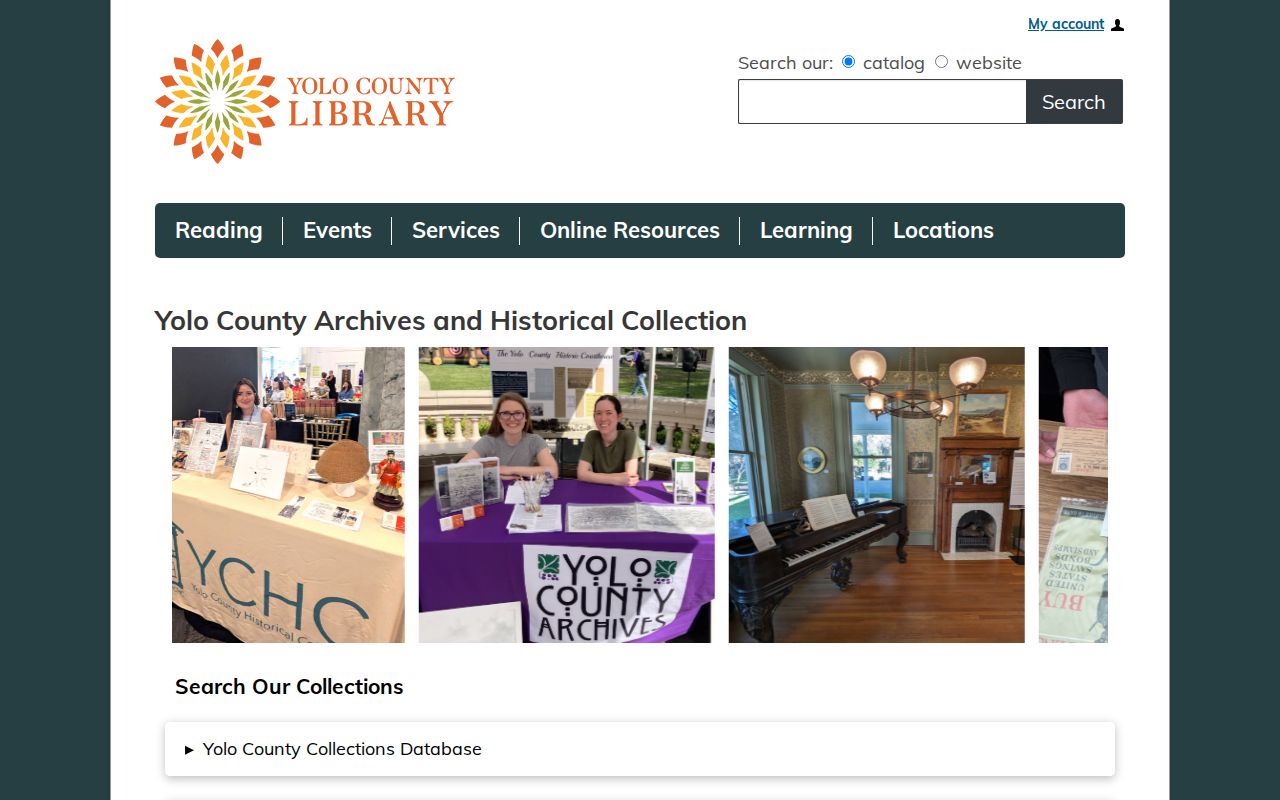
The catalog and digital-collection route is a bridge between open-web discovery and the original shelf.
West Sacramento Directories and the 1950 Census
Federal census schedules are useful companions because they record household relationships and broader geography. The National Archives releases census material under the 72-year rule, so 1950 is the latest fully open year in the research record and 1960 is expected in 2032. A census line can test whether a directory address has the right family, age, occupation, or relationship. It can also show why a directory entry appears to vanish.
Search the census by enumeration geography, then compare the exact name and address with the city directory. The California State Library's historical resources page can point to genealogy, newspaper, and directory databases. Use a deed, school census, or vital record when the census and directory disagree. A regional census label may cross the river or use a county description rather than the modern city.
The National Archives census guidance gives the release rule, while the California State Library online resources page supplies a broader research route.
Census comparison turns a city directory entry into a family-history hypothesis that still needs a dated source check.
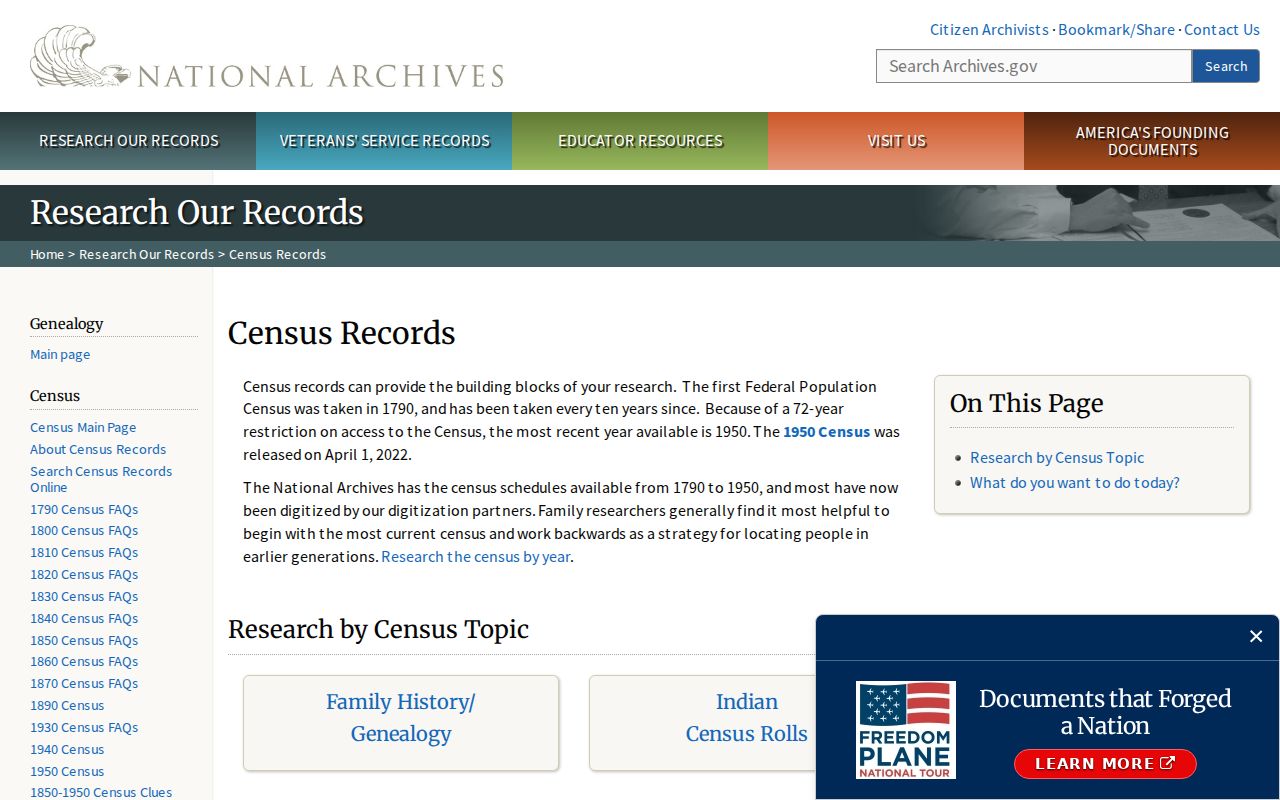
The release rule is a useful guardrail against expecting a modern census roster for a current resident search.
West Sacramento Directory Gaps and Records
West Sacramento has no verified complete online publisher run in the research file. Missing directory years are not a reason to stop. Deed indexes and assessor maps can establish a property chain. Subdivision records can explain a new street or lot. The West Sacramento Land Company collection from 1907 to 1972 includes purchases, title abstracts, maps, financial reports, photographs, and Turner family material. The Broderick structural survey from 1959 adds building and neighborhood context.
Use the News-Ledger to search the gap for an obituary, school event, civic club, anniversary, or address notice. The West Sacramento Improvement Club records from 1929 to 1937, Citizens for Better Water from 1974 to 1980, and Broderick Church of the Good Shepherd records from 1948 to 1969 add community names. None should be treated as a complete resident list, but each can supply the next dated clue.
State historical databases can expand the search, but the local Archives remains the authority for call numbers and custody. A clean gap statement is better than an invented directory year.
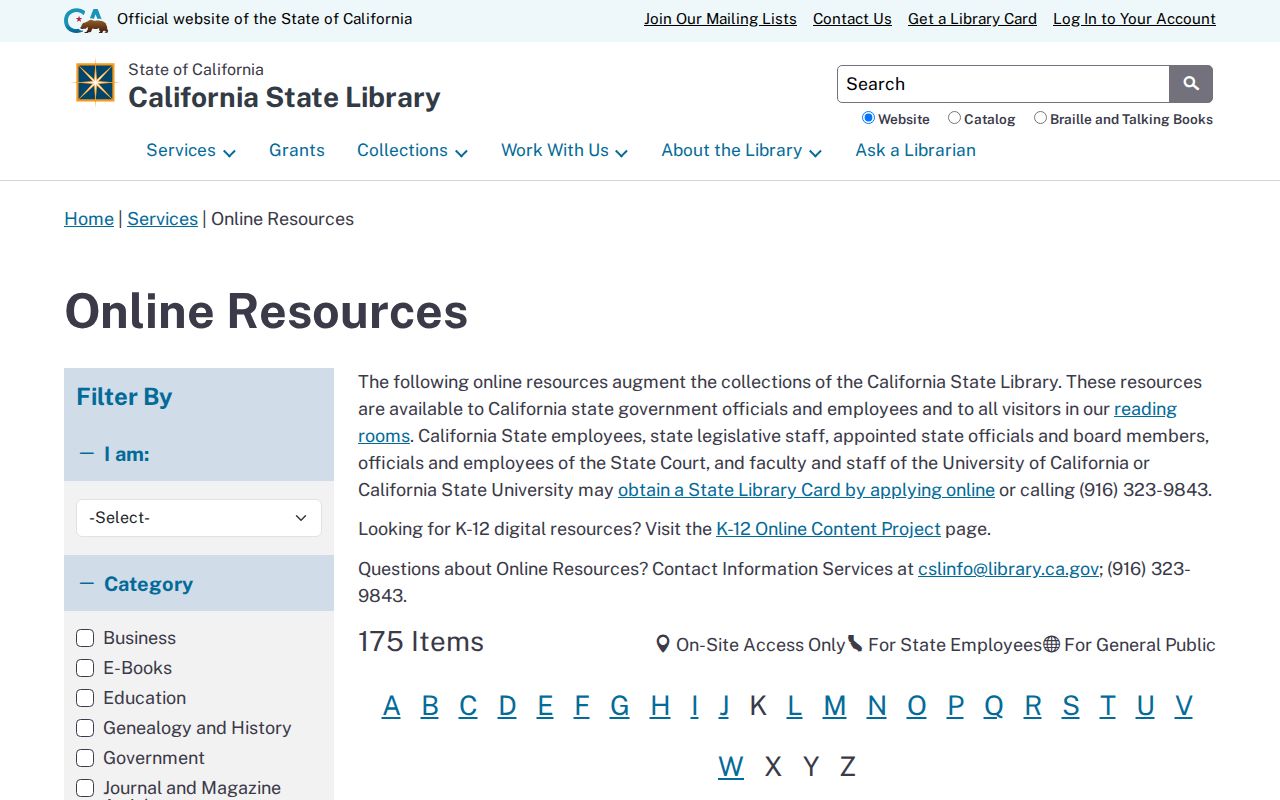
State library tools can widen the search while the West Sacramento-specific collection details stay with Yolo Archives.